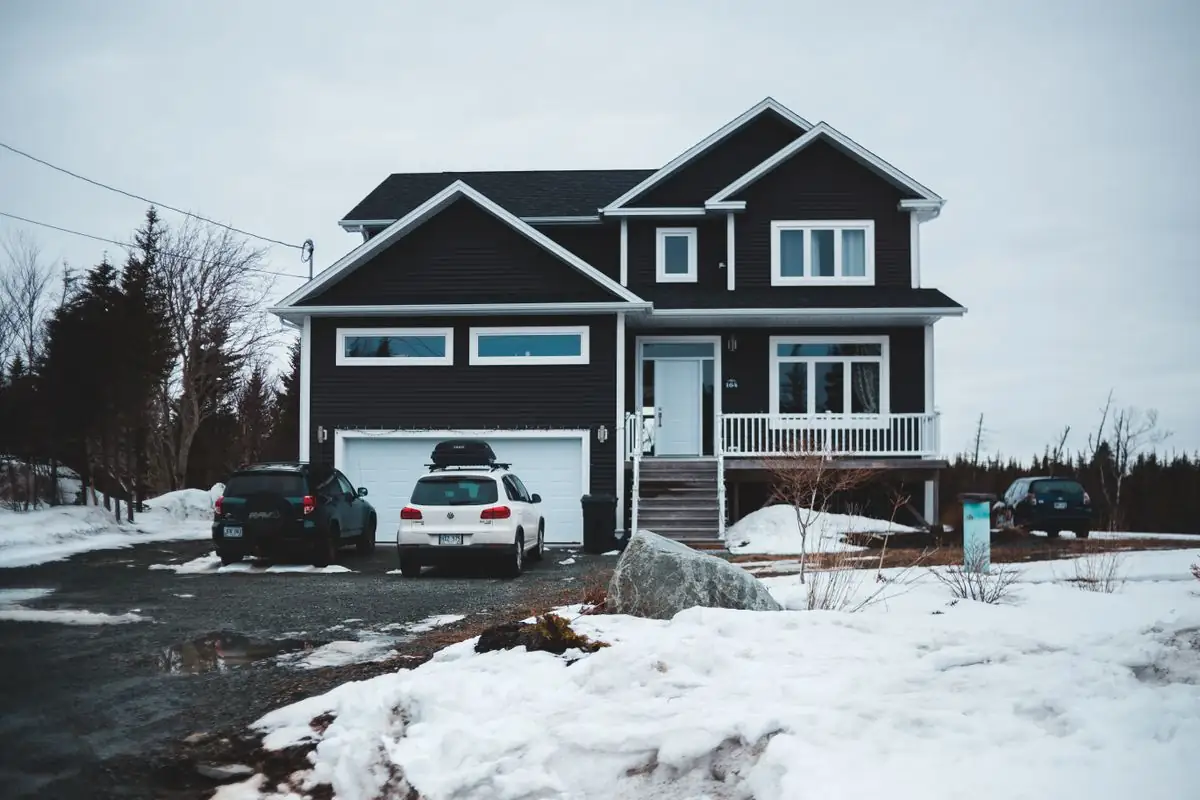
Specimen: German Mills creek
Plumbing in Bayview Woods-Steeles
Bayview Woods-Steeles lies near Bayview and Steeles, a neighbourhood of back-splits, detached homes and townhouses beside the German Mills Creek valley.
- Backups on the lowest level of split-levels, cleared with drain cleaning.
- Root intrusion from mature trees along the valley, often diagnosed with a sewer camera.
- Pipe bursts in exterior walls after cold snaps; see frozen pipe thawing.
- 24/7Phone response
- 23Neighbourhoods served
- 42Plumbing services
- 1 callNo forms, no queue
- Licensed & insured plumbers
- Phone answered day and night
- Camera findings shown to you
- North York, Thornhill, Richmond Hill
Bayview Woods-Steeles housing and pipes
Development here dates mainly from the late 1960s through the 1970s. Back-splits and side-splits are common, along with townhouse complexes. Copper supply and a combination of cast-iron and ABS drainage are typical, with clay or concrete laterals under front lawns.
Split-level houses have an unusual plumbing layout. The lowest level often has fixtures close to or below the main drain, so a backup there shows up before any other part of the house notices it.
Common calls here
- Backups on the lowest level of split-levels, cleared with drain cleaning.
- Root intrusion from mature trees along the valley, often diagnosed with a sewer camera.
- Pipe bursts in exterior walls after cold snaps; see frozen pipe thawing.
Pipes in garage walls and above unheated crawl spaces are vulnerable in a deep freeze. Insulating them and keeping heat on is far easier than repairing a split line. The frozen pipes guide lists the usual weak spots.
Flooding and sewers
Homes beside the ravine drain toward the creek, and runoff can collect on lower lots. The floor drain and any lower-level shower are the first places sewer water would appear in a surcharge. A mainline backwater valve makes a practical safeguard for split-levels.
One more habit helps split-level owners: pour a little water into the lowest-level floor drain each month. A dry trap there lets sewer gas drift up through every level of the house.
Reading a split-level
A back-split has three or four short levels, and the plumbing follows them. The kitchen usually sits on the middle level, bathrooms on the upper, and laundry with perhaps a two-piece washroom on the lowest. All of it drains to a single main that exits through the front foundation.
That layout means one stack can serve fixtures at very different heights, with long horizontal runs between. Horizontal runs collect debris more readily than vertical drops. When a lower-level toilet gurgles while the upstairs tub drains, the cause is usually air movement in a partly blocked line, not a toilet fault.
Townhouse complexes in the area add another variable: shared private sewers and condominium rules about who can call a contractor. We ask for the management contact before working on anything beyond a unit's own fixtures.
Many owners here have replaced the original copper water heater connections with flexible lines. Those are fine if rated and installed correctly, but we still find some that sag against hot vents or rest on the floor in water.
Getting to Bayview Woods-Steeles
We arrive by Bayview or Steeles and serve the area often. Townhouse complexes may need visitor permits. For Hillcrest Village and other neighbourhoods, see the enclave index.
Questions we get about this
Why does my split-level back up on the lowest floor first?
That level sits closest to the main drain, so any blockage downstream fills it first. Clearing the line and checking it with a camera usually explains the cause.
Can a garage-wall pipe be protected from freezing?
Yes. Insulation, sealing drafts and, in some cases, rerouting the line into heated space all help.